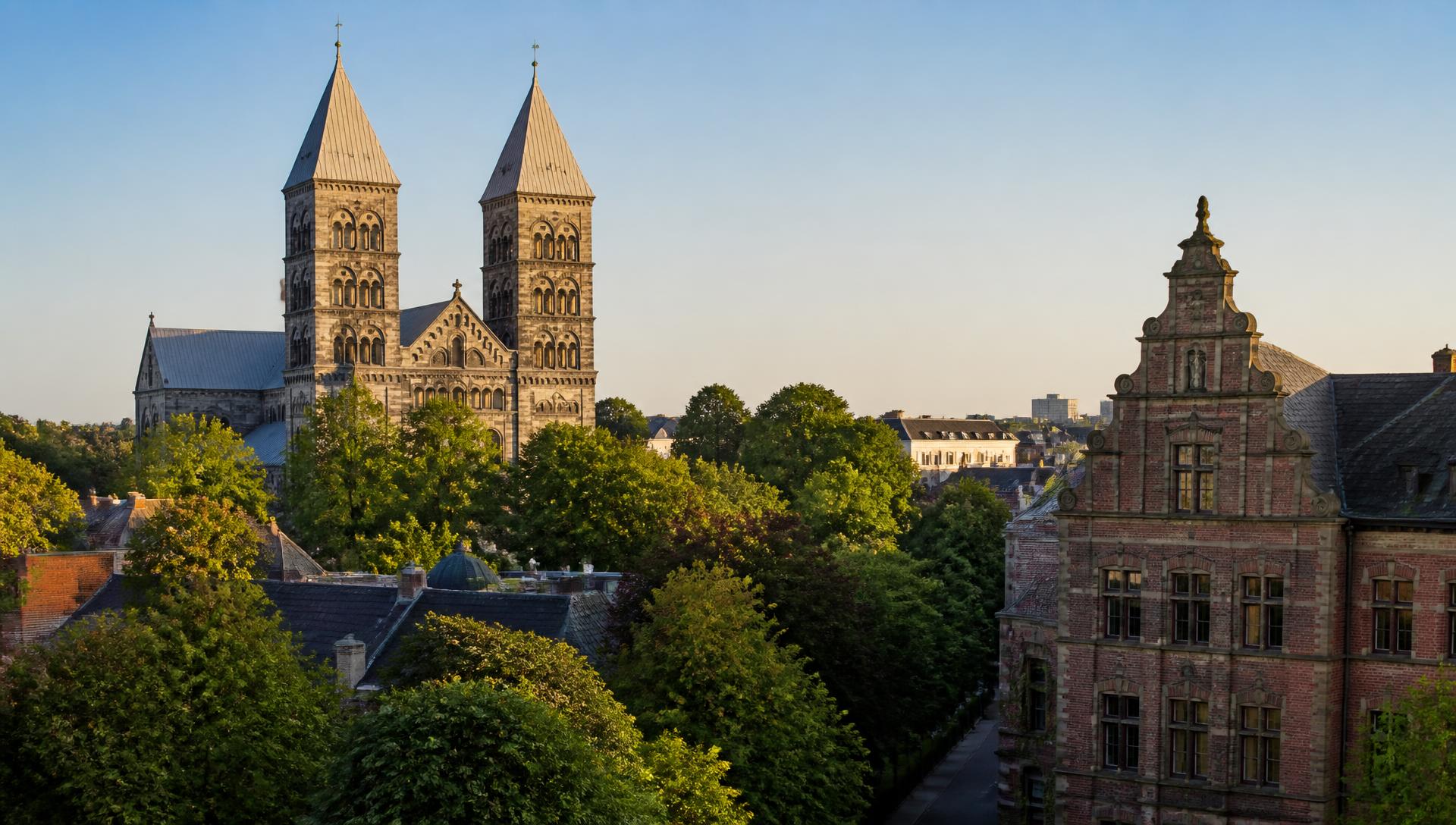
The 34th International Workshop on Intelligent Computing in Engineering (EG-ICE 2027) will take place at Lund University, Sweden.
30 June – 2 July 2027
EG-ICE is an established international forum for researchers and practitioners working at the intersection of advanced computing and engineering. The workshop brings together experts from engineering, computer science, architecture, construction, and related disciplines to discuss how intelligent computational methods can address complex engineering challenges and how engineering applications can, in turn, stimulate new developments in computing research.
Many contemporary engineering problems require support for collaboration between multiple stakeholders, integration of diverse sources of information, management of uncertainty, interpretation of sensor and operational data, navigation of large design spaces, and effective interaction between engineers and digital systems. EG-ICE provides a venue for discussing innovative approaches to these challenges and for critically evaluating emerging methods, tools, and frameworks.
The workshop maintains its long-standing tradition as a highly interactive, discussion-oriented, single-track event that promotes the exchange of ideas across disciplines and career stages. Particular emphasis is placed on fostering dialogue between established researchers, early-career academics, and doctoral candidates. It welcomes contributions that advance the theory, methods, and applications of digitally enabled engineering.
The workshop has a strong tradition of supporting the development of high-quality research papers that are subsequently refined and extended for publication in Advanced Engineering Informatics, the official journal of EG-ICE. The EG-ICE workshop provides an ideal forum for receiving detailed feedback from an international community prior to journal submission.
Topics of the conference
Topics of the conference include, but are not limited to:
Monitoring and control algorithms in engineering
- •Sensor data interpretation
- •Progress monitoring and management
- •Building control systems
- •Active structures
Engineering optimization and search
- •Design space exploration
- •Stochastic search
- •Generative design
Computer-supported construction management
- •Collaboration informatics
- •Scheduling
- •Discrete-event simulations
- •Process modelling
Advanced computing in engineering
- •Strategic aspects – opportunities and risks
- •Computational design
- •Data-driven design and engineering
- •AI/Machine learning
- •Computer vision
- •Virtual, augmented, and mixed reality
- •Quantum computing
- •Robust optimization
BIM and engineering ontologies
- •Building/Civil/City information modelling
- •Semantic modelling in AECO industry
- •Ontology modelling and reasoning
- •Spatial reasoning
- •Graph algorithms
- •Code compliance checking
Human-Computer Interaction and Decision Support
- •Visual analytics
- •Human-AI collaboration
- •Explainable AI in engineering
- •Decision support systems
- •Engineer-computer interaction
- •Workflow support tools
- •Collaborative design environments
- •Interactive data visualisation
- •Virtual, augmented, and mixed reality
Key dates
- Call for abstracts Sep 15, 2026
- Abstract deadline Dec 1, 2026
- Abstract acceptanceJan 15, 2027
- Paper deadlineApr 2, 2027
- Paper acceptance May 1, 2027
- Final papers dueMay 14, 2027
Programme
Programme will be provided closer to the actual conference
Check back later for the full workshop schedule, keynotes, and session details.
Venue
Getting to Lund
International train connections to Denmark and Germany run via the Öresund Bridge, an impressive local feat of civil engineering. Copenhagen Airport (CPH) connects directly to Lund Central Station by train in just 45 minutes. High-speed trains from Stockholm take roughly 4.5 hours. Alternatively, regional flights arrive at Malmö Airport, which offers convenient airport bus connections directly to Lund.
Venue
The conference will be held at the Ingvar Kamprad Design Centrum (IKDC) on the LTH campus. The IKDC is easily accessible from the city centre via local tramline 1 and city buses, or by a pleasant 20-minute walk.
Getting around
The venue is located within walking distance of Lund Central Station. The city itself is compact, flat, and best explored on foot or by bike.
Conference dinner
More information to be announced
Committee
Local Organising Committee
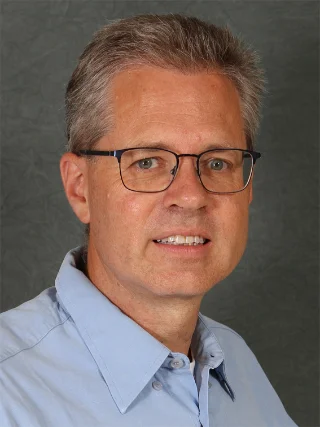
Pieter de Wilde
Lund University
Conference Chair

Maryam Fakhari
Lund University
Scientific Chair
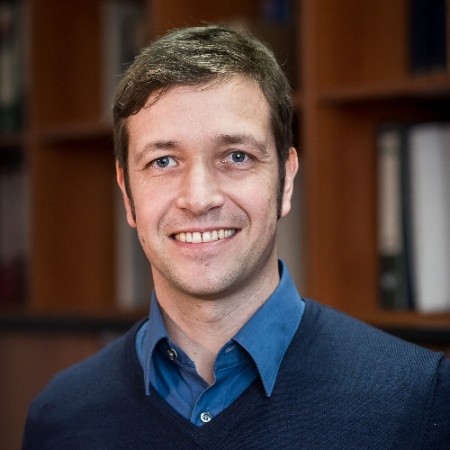
Sebastian Thöns
Lund University
Scientific Chair
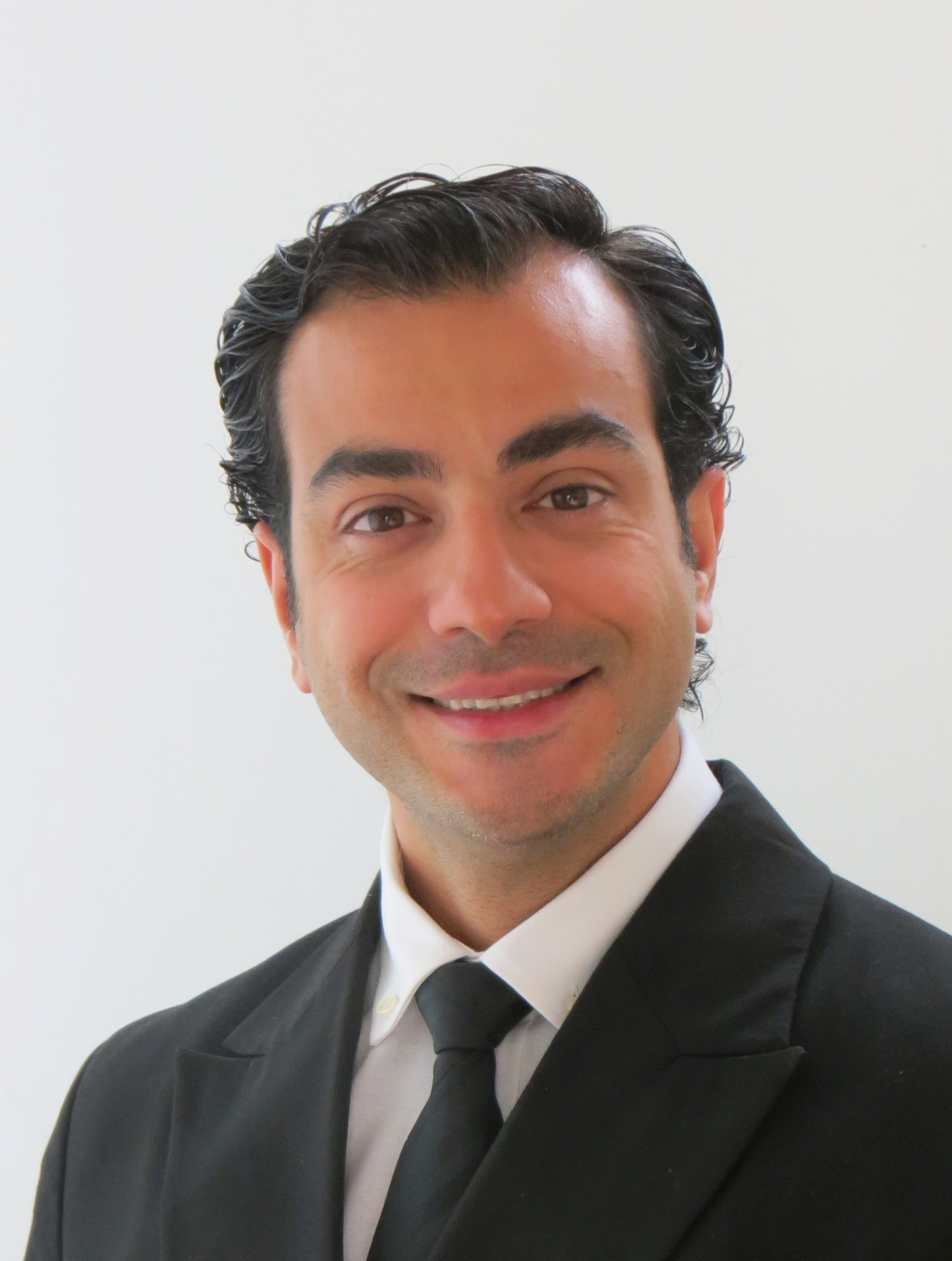
Pouria Elahi
Lund University
Conference Manager
EG-ICE workshop coordinator
Prof. Dr. Belén Riveiro Rodríguez
University of Vigo
Scientific Committee
Prof. Dr. HaiJiang Li
Cardiff University, UK
Prof. Dr.-Ing. Christian Koch
Bauhaus-Universität Weimar, Germany
Prof. Dr. Iva Kovacic
TU Wien, Austria
Prof. Dr.-Ing. Timo Hartmann
Berlin University of Technology, Germany
Prof. Dr. Ir.-Arch. Pieter Pauwels
Eindhoven University of Technology, Netherlands
Prof. Qiuchen Lu
University College London, UK
Prof. Dr. Bernd Domer
HEPIA, Geneva, Switzerland
Prof. Dr. Belén Riveiro Rodríguez
University of Vigo, Spain
Prof. Dr. Ir. Pieter de Wilde
Lund University, Sweden
Prof. Dr.-Ing. Philipp Geyer
Leibniz University Hannover, Germany
Prof. Dr.-Ing. André Borrmann
Technical University Munich, Germany
Emeritus Prof. Dr. Ian Smith
EPFL, Lausanne, Switzerland
Contact us
For questions about submissions, registration, the programme, or local arrangements, please reach out to the organising committee.